1. Walk-through and sampling
The team inspects each room, notes signs of drug activity and takes samples from the likely trouble spots.
St. Louis, MI · Gratiot County
Strange odors, stained walls or an official notice can all point to a former drug lab. In St. Louis, call (877) 812-4220 for a cleanup team that tests, removes, cleans and tests again.
If anyone is in danger, call 911 first. For a suicide crisis, call or text 988.
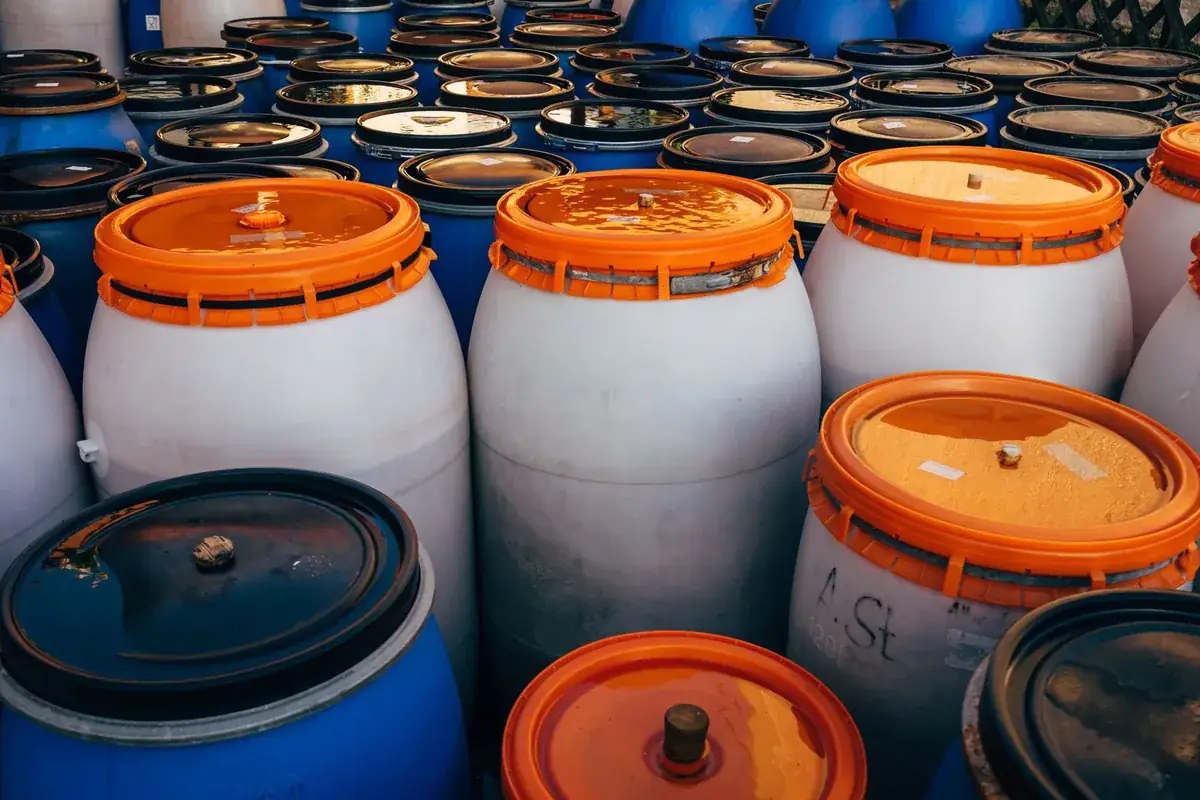
Meth residue testing means taking samples from walls, floors, vents and other surfaces and sending them to a lab. The results show which areas are affected and guide the cleanup plan.
If you are a landlord, buyer or family member in St. Louis who learned a property in Gratiot County was used to make or heavily use meth, call St. Louis Biohazard Cleanup Help. The team explains each step and does not start until law enforcement releases the site.
The vacancy rate in Gratiot County is only about 8%, so most meth cleanup calls come from occupied homes, rentals and recent move-outs. Homes in St. Louis were built in different eras, and about 71% date from before 1980. Testing, not the age of the house, shows what needs to be done.
What drug lab & meth lab cleanup covers:
The team inspects each room, notes signs of drug activity and takes samples from the likely trouble spots.
Soft or porous materials that hold residue come out first. Hard surfaces stay for cleaning.
Cleanup technicians work room by room, and then treat air and odor.
New samples show whether more work is needed. The owner decides next steps with the team.
Drug lab & meth lab cleanup in St. Louis, MI typically costs $1,500 to $120,000, depending on the size of the affected area and the materials involved.
Hazardous waste handling is part of the price. Contaminated materials and leftover chemicals may need regulated disposal.
| Type of job | Typical range |
|---|---|
| Light use contamination | $5,000 - $10,000 |
| Drug remediation projects | $5,000 - $25,000+ |
| Typical average | $15,000 - $20,000 |
| Published span | $5,000 - $120,000+ |
Figures are planning ranges from PushLeads, Drug biohazard cleanup cost guide, BioCleaners Directory, Biohazard cleanup company pricing guide, not a price for any specific St. Louis property. Price drivers include whether it was smoking or production, size of the home, air system contamination, testing before and after. Call (877) 812-4220 any hour.
Because residue is usually invisible. Testing shows which rooms and materials are affected, guides the cleanup plan and later shows whether the work succeeded. Reports from before and after the job are what buyers, lenders, insurers and local officials often ask to see.
No. Keep children and pets out of the affected areas until cleanup and retesting are done. They are closest to floors and furniture and are most at risk from residue. Find another place to stay if you can.
It is not recommended. Residue cannot be seen, and household cleaners can spread it. Leftover chemicals and contaminated materials may also need regulated handling. If you suspect a former lab, leave, keep people and pets out, and call 911 or Poison Control for symptoms.
Often, yes. Air systems can carry residue to every room. A team usually samples vents and ducts and cleans or replaces parts as needed. Ask whether the system is part of the testing plan, and whether filters and liners will be removed.
That depends on testing and cleanup. A buyer or lender can ask for test reports and cleanup records. A cleanup team can explain what the reports show. A real estate attorney can advise on disclosure and sale terms.
Specialized cleaning methods, not everyday sprays. Crews remove porous materials that hold residue, then clean hard surfaces and air systems in a set order. Household cleaners can spread residue, so a cleanup team and its testing plan are the safer route.
Residue is often invisible. Testing is how an owner finds out.
Call (877) 812-4220