1. Safety and scope
The crew puts on protective gear and decides how far the contamination reaches. Doors, vents and walkways are marked and sealed.
St. Louis, MI · Gratiot County
What happens when police finish and the mess remains in St. Louis? Call (877) 812-4220. Cleaners handle fluids, damaged flooring, fingerprint powder and disinfection.
If anyone is in danger, call 911 first. For a suicide crisis, call or text 988.
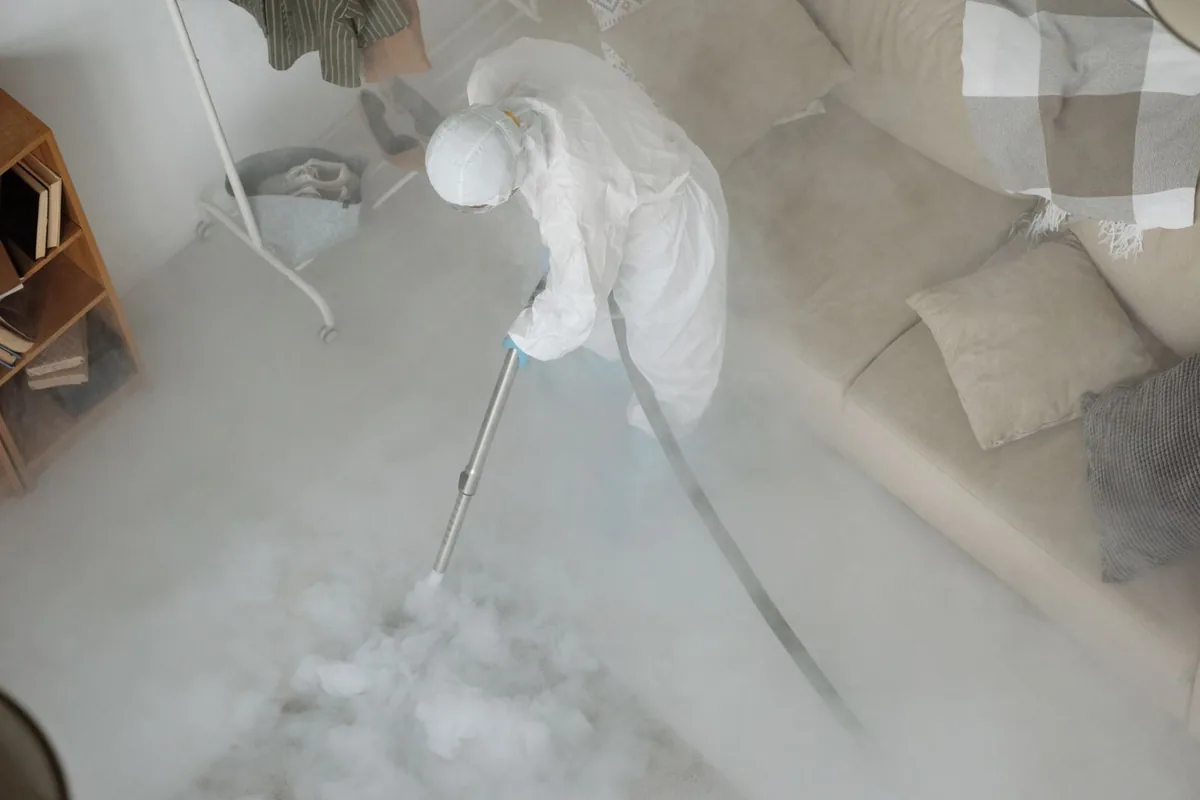
Crime scene cleanup is a form of biohazard remediation. Cleaners wear protective equipment, contain the affected area, remove contaminated materials and disinfect whatever stays.
If a crime has left your home, rental property, business or vehicle unsafe in St. Louis, call St. Louis Biohazard Cleanup Help for a cleanup team anywhere in Gratiot County. The crew follows OSHA bloodborne pathogen rules and works only after the scene is released.
With 33% of homes in St. Louis rented, property managers often book cleanup quickly to make a unit safe for the next tenant. The age of a building in St. Louis changes how deep fluids travel, so crews inspect subfloors and wall bases before they call the job done.
Crime Scene Cleanup in St. Louis usually includes:
The crew puts on protective gear and decides how far the contamination reaches. Doors, vents and walkways are marked and sealed.
Crews check floors, baseboards, walls and furniture. They also look at hidden places such as the subfloor and the backs of cabinets.
Contaminated materials are removed and the affected area is cleaned, disinfected and treated for odor.
Odor is treated in the affected areas and the work is inspected. Owners receive records for the insurance company.
Expect crime scene cleanup in St. Louis, MI to cost roughly $1,000 to $10,000, with the final price set after an on-site assessment.
How quickly cleanup happens can affect the price. Fluids that dry and soak in over time take more work than fresh ones.
| Type of job | Typical range |
|---|---|
| Published span for crime and blood scenes | $1,500 - $10,000 |
| Violent altercation scene | $1,500 - $4,000 |
| Most residential situations | $1,500 - $7,500 |
| Most residential crime scene jobs | $1,000 - $5,000 |
Published ranges only (Crime scene cleanup cost guide from a biohazard cleanup company, PushLeads, BioCleaners Directory); every crime scene cleanup job in St. Louis is priced after an on-site look. Price drivers include number of rooms affected, whether blood reached carpet, subfloor or walls, time since the event, waste disposal. Questions? Call (877) 812-4220.
Yes. Owners and managers often book crime scene cleanup to make a unit safe for the next tenant. Lease terms and local law decide who pays, and an attorney or tenant rights group can explain the details.
Cleanup can be done discreetly. Ask about unmarked vehicles and quiet work practices when you call. Crews keep what they see private and do not discuss the job with others.
Often yes. The crew can close off one area, use barriers and plan around staff and customers. Tell the team about opening hours and entrances so the work causes as little disruption as possible.
Yes. Fingerprint powder and tear gas residue are common after police work. Both need careful methods, because wiping or washing them can spread residue. Crews test the area and clean it with matched products.
Crews set personal items aside and clean what can be saved. Items soaked with fluids may have to be removed. The team tells you what it finds so you can decide what matters.
The OSHA Bloodborne Pathogens Standard, 29 CFR 1910.1030, protects workers who handle blood and body fluids. Crews also use EPA-registered disinfectants and dispose of contaminated waste as regulated medical waste.
One call starts the process, and no details are required up front.
Call (877) 812-4220