1. Walk the site
The team checks every room, shelf and corner where containers may be hiding. It counts and photographs what it finds before touching anything.
St. Louis, MI · Gratiot County
What do you do when a strong chemical smell fills a St. Louis building? Get everyone out and call 911 if anyone is in danger. Then call (877) 812-4220 for cleanup, ventilation guidance and waste removal.
If anyone is in danger, call 911 first. For a suicide crisis, call or text 988.
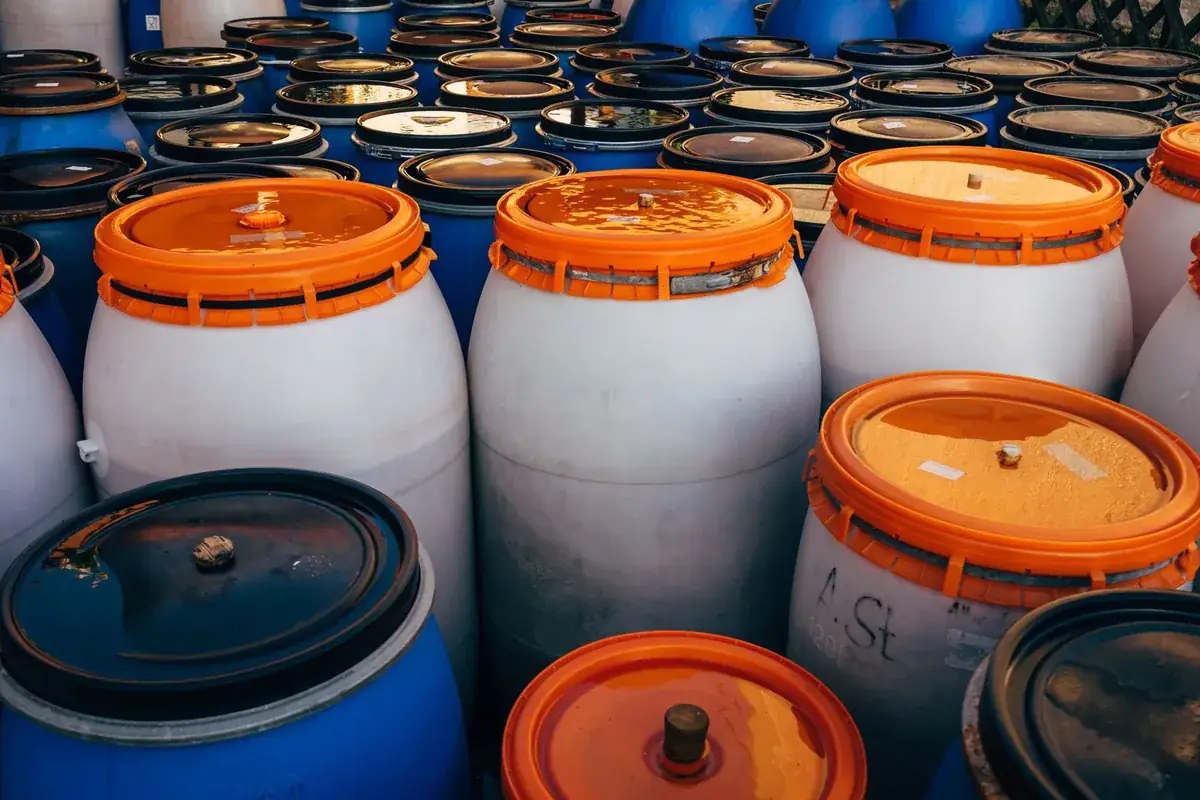
Unlike biohazard work, which deals with blood and other germs, chemical cleanup deals with harmful substances such as solvents, acids and pesticides. Some jobs involve both, and the crew plans for each.
If you need chemical and toxic waste cleanup for your home, rental, shop, farm or storage unit in St. Louis or anywhere in Gratiot County, call St. Louis Biohazard Cleanup Help. You get crews in protective gear matched to the substance, and each job stays orderly.
With vacancy at about 8% of homes in Gratiot County, chemical problems are usually found quickly by residents or neighbors. Gratiot County has a Relatively Low river flood risk rating from FEMA, but a leak near a drain or ditch can still carry chemicals off a property.
Chemical & Toxic Waste Cleanup in St. Louis usually includes:
The team checks every room, shelf and corner where containers may be hiding. It counts and photographs what it finds before touching anything.
Drains are covered where needed, and absorbent socks and barriers surround the spill. The team works from clean areas toward the source.
The spill is absorbed, contaminated items are removed and surfaces are cleaned. Odors and residue are treated according to the substance.
Different products are kept apart so that they cannot react. Waste is labeled and moved by the rules that apply to its type.
The cost of chemical & toxic waste cleanup in St. Louis, MI depends on the amount of material, how it is packed and how it is hauled.
Access and distance change the quote. Remote sites, locked buildings and travel to the property add time, as does after-hours emergency response.
| Type of job | Typical range |
|---|---|
| Hazardous chemicals | $30 - $50 per barrel |
Published ranges only (Fixr); every chemical & toxic waste cleanup job in St. Louis is priced after an on-site look. Price drivers include type of chemical, amount, packaging and transport, disposal fees. Questions? Call (877) 812-4220.
The person or business that caused a spill is often responsible, and owners usually carry the cost on their own property. In a rental, the lease and local law decide. Some teams offer payment plans.
Waste is sorted, labeled, packed and hauled by the rules that apply to its type. It does not go in the regular trash or down a drain. Ask the cleanup team how its waste is hauled and disposed of, and ask for records at the end.
Keep people away and call 911 if there is danger. Cleanup teams place barriers and absorbents to stop the spread and remove contaminated soil or materials where needed. Local fire and health officials can say what must be reported.
Small spills of familiar household products may be manageable with the label's directions. Unknown, large or hazardous spills are not. Never mix products. If in doubt, leave the area, keep people and pets out and call 911 or Poison Control.
Biological hazards come from living things, such as bacteria, viruses and body fluids. Chemical hazards come from substances like solvents, acids, fuels and pesticides. They need different gear, products and disposal, and some jobs involve both.
It depends on the policy. Some cover sudden spills, and many exclude pollution or long-term leaks. Read your policy and call the insurance company before cleanup starts, then take photos from a safe spot and keep every receipt.
One call starts the process, and you decide whether to go ahead.
Call (877) 812-4220